Hello and welcome back to my blog 😊.
Today myself and Angela enjoyed a 7-mile circular walk around Ancaster including Ancaster valley- Angela had done some research and found the walk online. It turned out that there were a number of unexpected finds along the way.
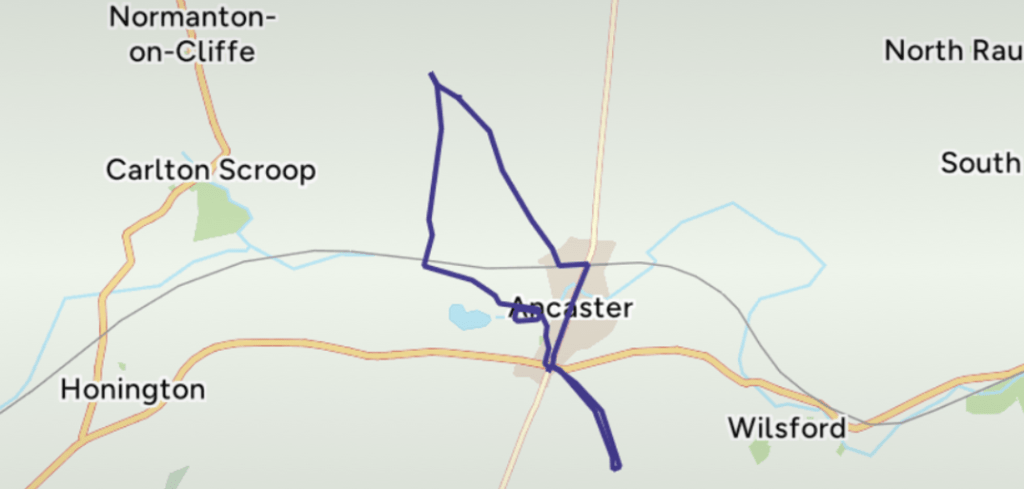
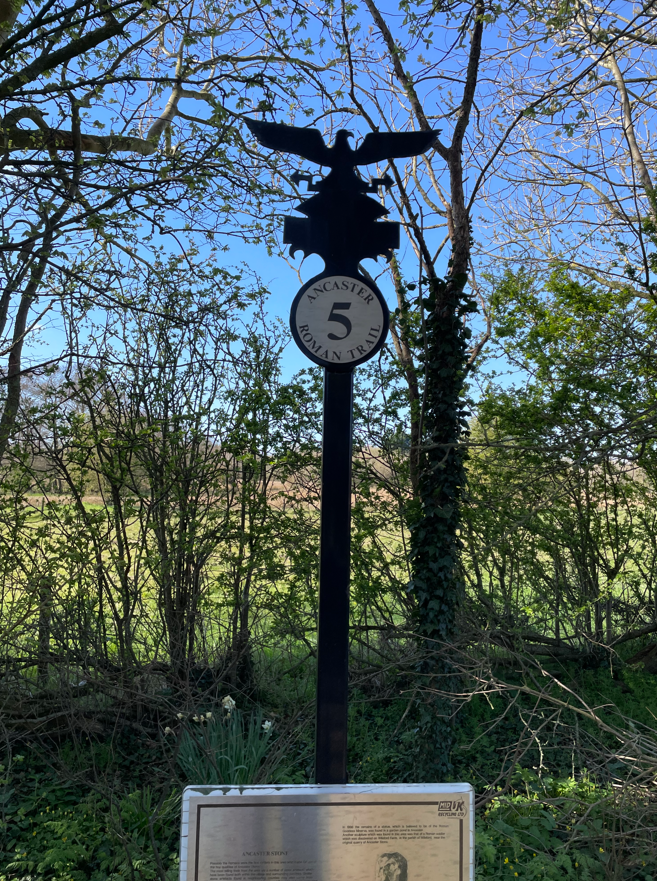
Ancaster was a Roman town lying on Ermine Street, the major Roman road heading north from London. Along our route would be signs and information about Roman Ancaster.
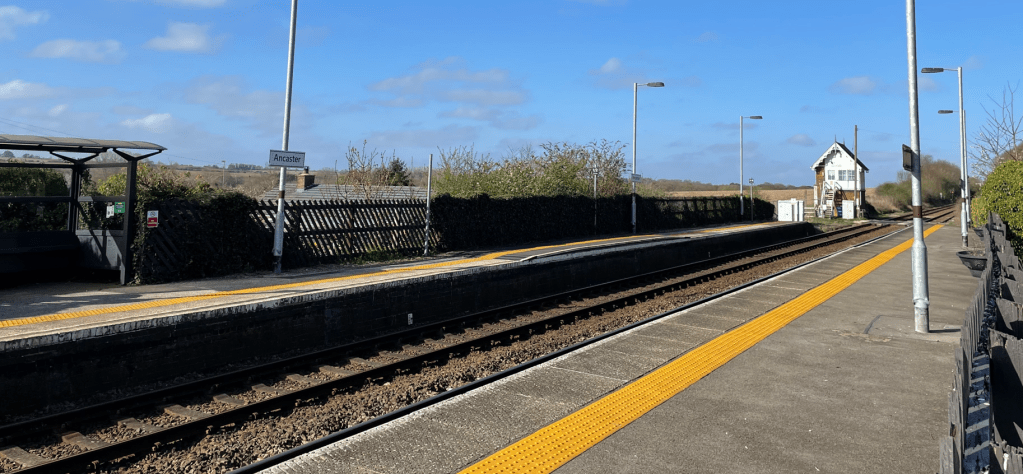
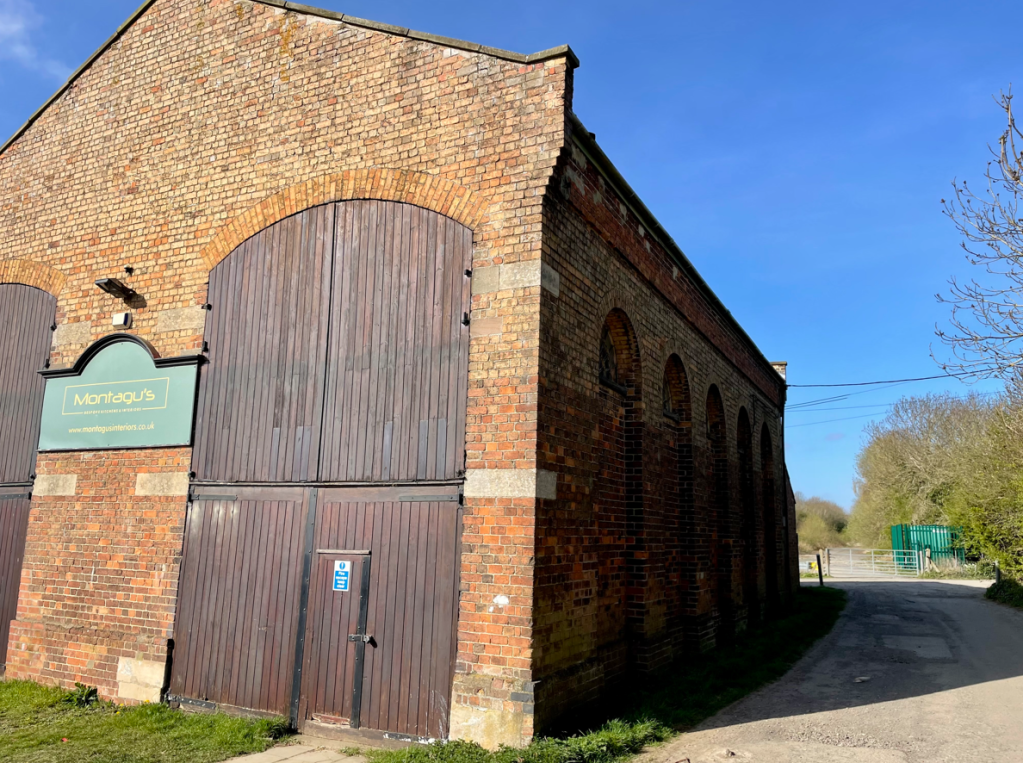
It was a sunny start, but a cold wind was blowing, as we set off from St Martins church walking through the village to the railway station where we passed by a nice old brick engine shed.
We headed up Pottergate Road (a track) onto Sudbrook Heath taking in the views.
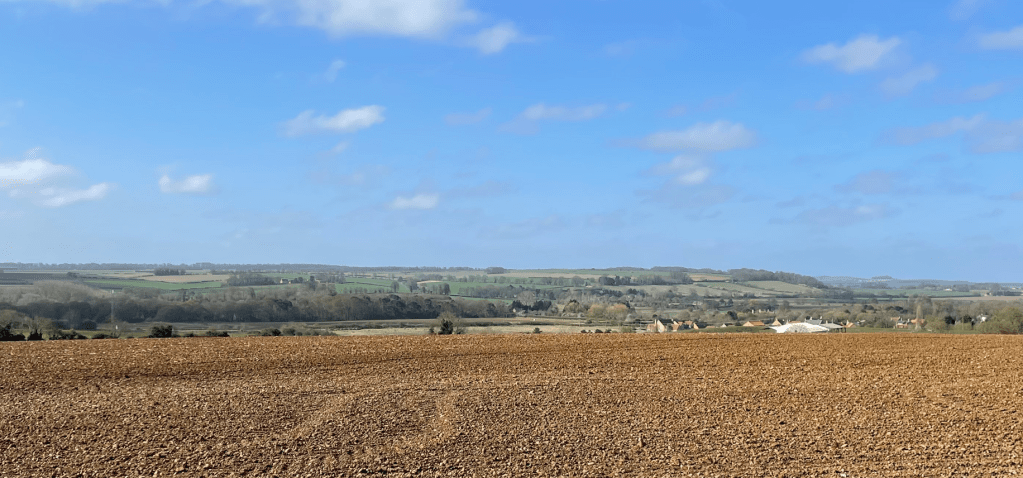
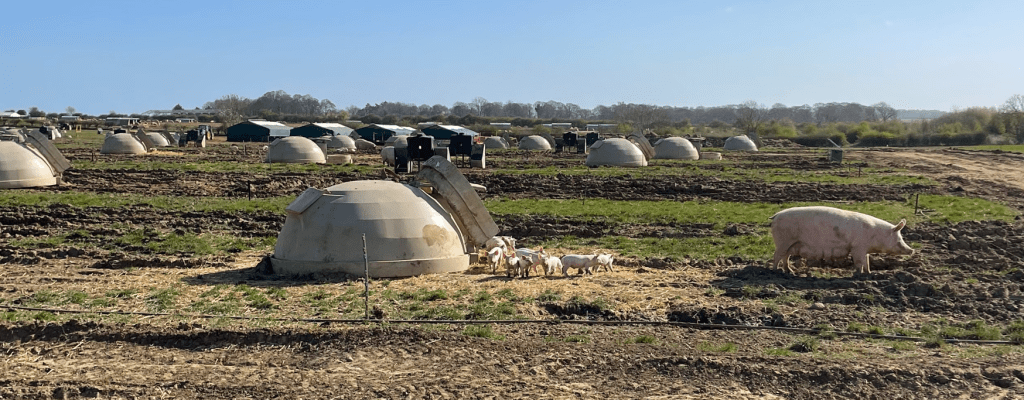
Here we found dozens of pig pens and many piglets. It was a pleasant surprise. I suspect they may be supplied to the very popular butchers in Ancaster.

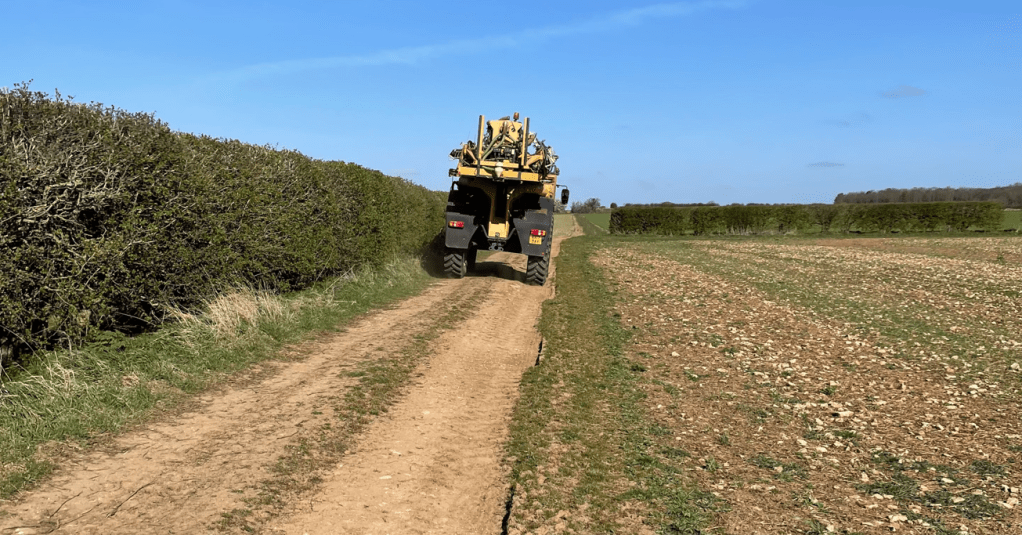
Continuing on we were passed by a crop sprayer before we met another track – Heath lane and descended downhill towards the village of Sudbrook.
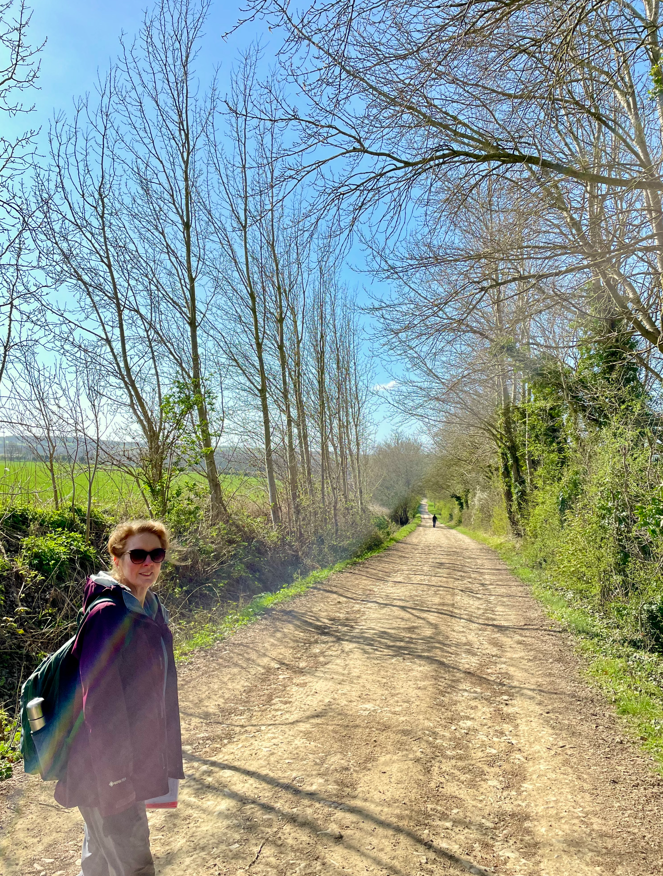
In Sudbrook we passed what was once the pub ‘The Masons Arms’ but is a private house now. The pubs name was nicely carved in stone.
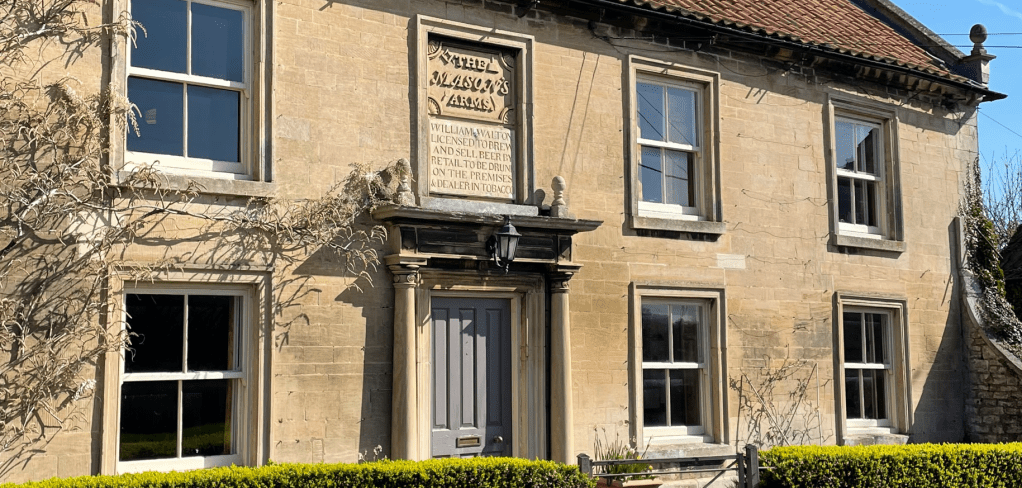
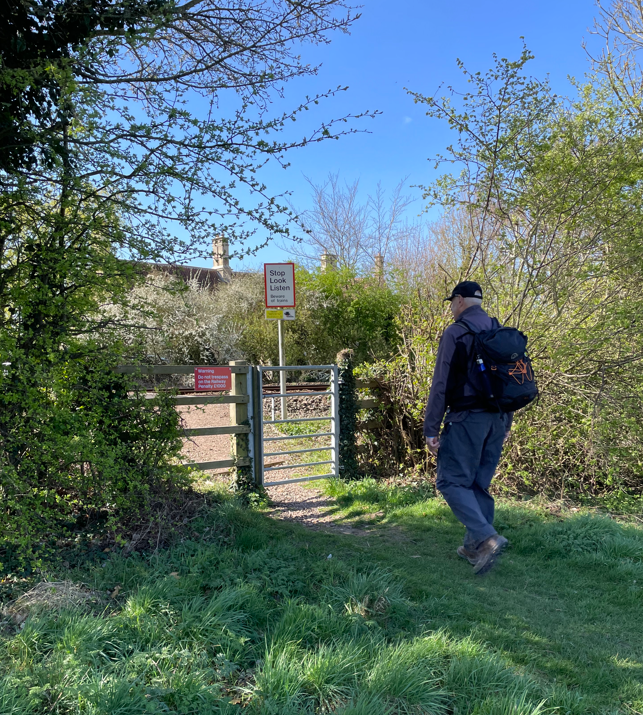
Ancaster is famous for its Limestone from the nearby quarry. Historically, Ancaster stone was widely used in Lincolnshire e.g at Belton House and Lincoln Cathedral. Leaving Sudbrook we crossed the railway line at the level crossing.
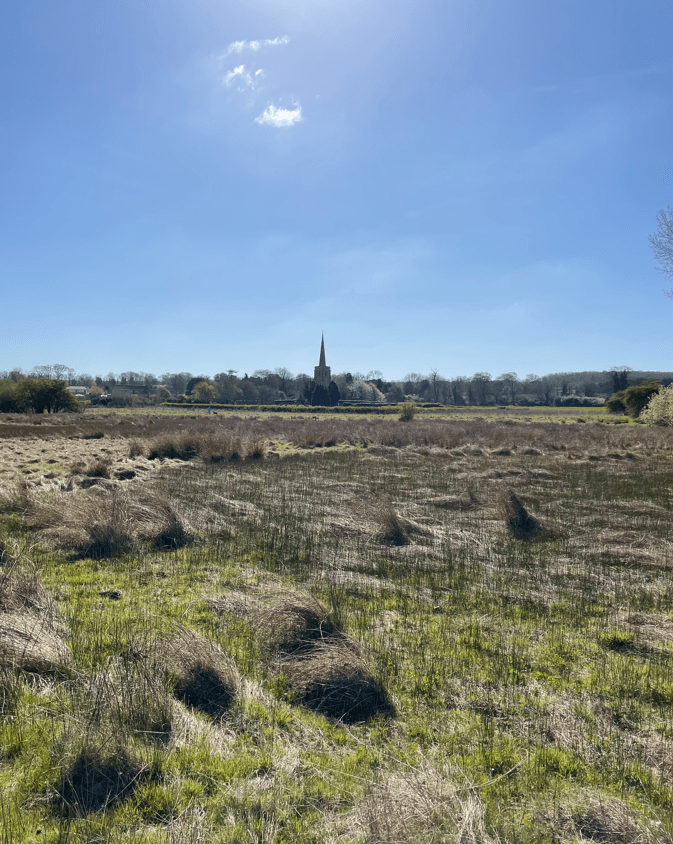
Continuing on we came across Moor Closes Nature Reserve where the plant called ‘Tall Thrift’ grows. Ancaster is the only known place in the UK where this plant grows.

On the information board we noted the interesting info about the old threepenny bit.

We decided to walk around the reserve on the designated path. The ground was soft and of a boggy nature. We didn’t see any Tall Thrifts but it is a bit early for them.
We stopped next at a bench by the cemetery for a break. On this site in the 1960’s it was decided to excavate the Roman bodies as they were interfering with the use of the modern cemetery. The remains of 82 people were removed. In the early Roman period, cremation took precedence over burial. in later years burial was used and this cemetery indicates that this may have been one of the earliest Christian cemeteries in the country.
We walked on to the start of the Ancaster Valley- a site of Special Scientific Interest. It is one of the finest sites for limestone grassland and wildflowers in the country. The narrow steep-sided valley has avoided agricultural development and has a diversity of wildflowers.

We walked along the valley bottom taking care to avoid any wildflowers. At the head of the valley we climbed steps to reach a path which returned us along the valley at height. It was a very tranquil place.
A short walk brought us back to the car. It had been an interesting walk and it was the unexpected that made it so.
Happy Walking! 😊🚶
 My Walking Journeys